
If your child has been diagnosed with autism spectrum disorder (ASD), or you’ve noticed they’re not meeting typical language milestones, you may be wondering what comes next. Communication delays are one of the most common and most impactful challenges children with autism face. The good news is that decades of research point to one treatment as the gold standard for addressing them: Applied Behavior Analysis (ABA) therapy.
Understanding how ABA therapy helps children with communication delays can help you make confident, informed decisions for your child’s care. This guide walks through what communication delays actually look like, why ABA is so effective at addressing them, and what families can realistically expect from treatment.
What Is a Communication Delay?
A communication delay refers to when a child develops speech and language skills more slowly than expected for their age. This can involve expressive language (the ability to communicate thoughts, needs, or feelings to others) and receptive language (the ability to understand what others are saying).
Children with autism often experience both types. According to the Centers for Disease Control and Prevention (CDC), around 1 in 36 children in the United States is diagnosed with ASD, and communication challenges are among its most defining characteristics. These may include:
- Little or no babbling or first words by 12–16 months
- Difficulty understanding or following simple instructions
- Trouble using gestures like pointing or waving
- Repeating words or phrases (echolalia) without meaningful use
- Difficulty maintaining back-and-forth conversation
- Limited eye contact or nonverbal communication
It’s important to note that communication delays exist on a spectrum. Some children are nonverbal; others have robust vocabularies but struggle with social communication; knowing when to speak, how to read social cues, or how to engage in reciprocal conversation. ABA therapy is designed to meet each child exactly where they are.
How ABA Therapy Helps Children with Communication Delays Develop Language
Applied Behavior Analysis is a scientifically validated approach that uses systematic assessment and teaching to build meaningful skills. It has been endorsed by institutions including the U.S. Surgeon General and the U.S. Department of Health and Human Services as the most evidence-based treatment for autism.
When it comes to communication, ABA therapy works by:
1. Assessing each child’s current communication skills and gaps 2. Setting individualized, measurable language goals 3. Using structured teaching and positive reinforcement daily 4. Tracking data to adjust goals as the child progressesAt BehaviorSpan, every child begins with a comprehensive assessment to identify where they are in their communication development. From there, a Board Certified Behavior Analyst (BCBA) builds a fully individualized treatment plan targeting the specific language skills that will make the biggest difference in that child’s daily life.
Rather than treating communication as one broad concept, ABA breaks it down into teachable components: how a child asks for what they want, labels objects in their environment, responds to questions, and eventually engages in meaningful conversation with others.
Core ABA Techniques That Build Communication
ABA therapists use a variety of research-backed strategies to develop communication skills. Here are some of the most common and effective techniques used in quality ABA programs.
Manding (Requesting)
Manding is one of the foundational language skills taught in ABA therapy. It refers to teaching a child to request what they want or need whether that’s a snack, a toy, or a break. This is often the first communication skill targeted because it gives children immediate control over their environment, which is highly motivating. Even a nonverbal child can be taught to mand using picture exchange systems, sign language, or speech-generating devices.
Tacting (Labeling)
Tacting teaches children to label things in their environment, naming objects, actions, and events. A child who can tact is not only expanding their vocabulary; they’re developing the foundation for describing their world to others, which is essential for social connection and academic success.
Natural Environment Teaching (NET)
Rather than relying solely on structured drills, effective ABA programs like those at BehaviorSpan’s ABA therapy centers use Natural Environment Teaching embedding communication opportunities into play, routines, and daily activities. This helps children generalize skills beyond the therapy room and use them in real life.
Verbal Behavior (VB) Therapy
Based on the work of behaviorist B.F. Skinner, Verbal Behavior therapy is a branch of ABA that focuses specifically on the function of language rather than just its form. It’s particularly effective for children with limited verbal skills because it emphasizes why we communicate, not just the words themselves. Research published in peer-reviewed journals such as the Journal of Applied Behavior Analysis has consistently supported VB approaches for expanding communication in children with autism.
Augmentative and Alternative Communication (AAC)
For children who are nonverbal or minimally verbal, ABA therapists often incorporate AAC tools like the Picture Exchange Communication System (PECS) or speech-generating devices as part of the communication program. Research consistently shows that providing children with alternative means of communication does not reduce their motivation to develop speech; in many cases, it actually supports vocal development.
Each of these methods plays a direct role in how ABA therapy helps children with communication delays move from frustration to fluency.
Did You Know?
Children do not “outgrow” communication delays on their own. Early, intensive intervention is the most powerful tool families have and ABA therapy is the most rigorously researched approach for building these critical skills.
What Progress Looks Like
One of the most reassuring aspects of how ABA therapy helps children with communication delays is that progress is fully measurable. Therapists collect data during every session, which means you’re never left guessing whether your child is improving. At BehaviorSpan’s centers, families receive daily updates on session progress and every child’s plan is reviewed and adjusted weekly to ensure continued growth.
In terms of communication specifically, families often report milestones like:
- A previously nonverbal child using words or a device to request for the first time
- Increased eye contact and joint attention during interactions
- Following multi-step directions at home and in school
- Initiating greetings or conversations with peers
- Reduced frustration-driven behavior as communication improves
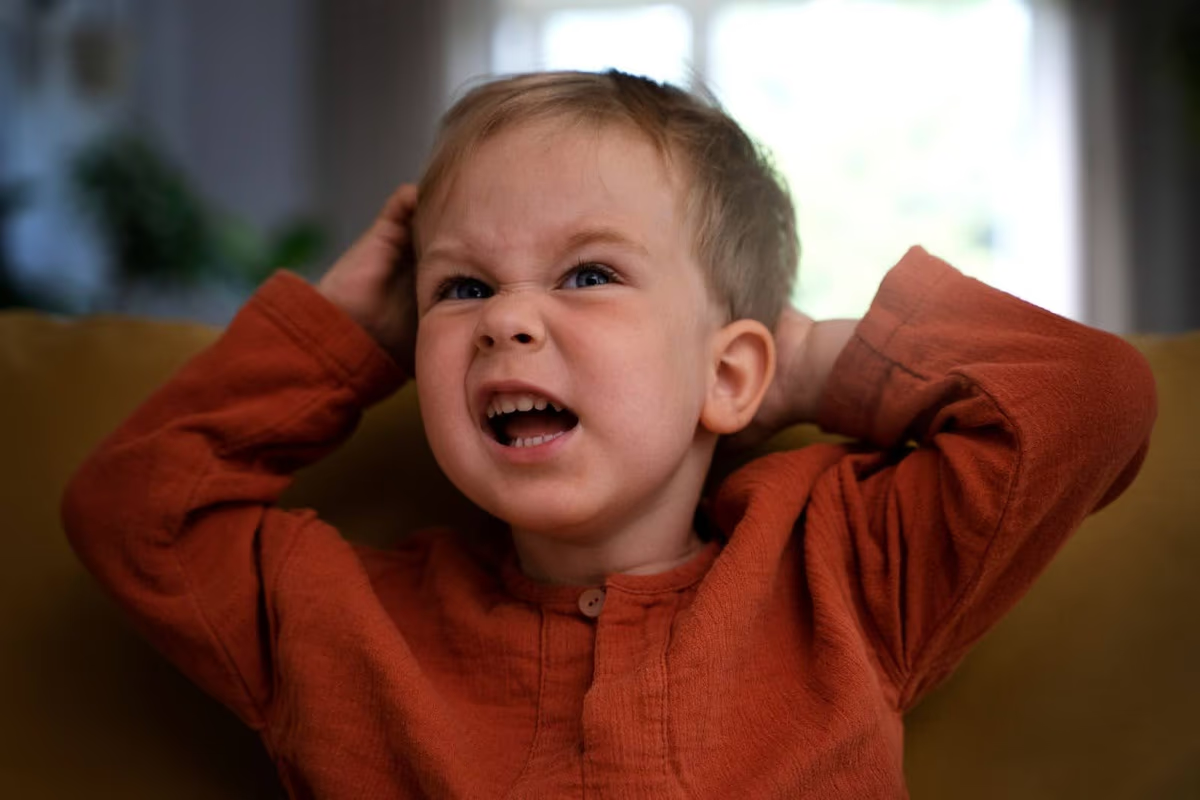
It’s worth noting that many challenging behaviors such as tantrums, self-injury, and aggression are directly linked to communication frustration. When a child learns to express their needs, those behaviors often decrease dramatically, enhancing the well-being of the child and their family.
Why Early Intervention Matters
The window of early childhood represents a critical period for language development. Young brains are remarkably plastic, meaning they are especially capable of forming new neural connections in response to learning. Studies consistently indicate that ABA therapy for children with communication delays is most effective when initiated early, ideally before age five.
Though ABA Therapy is most effective when started early, all ages benefit. BehaviorSpan’s early intervention model is specifically designed to maximize growth during these formative years, offering intensive programs of up to 40 hours per week for children who can benefit from that level of support.
Families who start ABA therapy early often see their children graduate from intensive programs and successfully transition into mainstream educational settings, a goal that would have seemed out of reach at diagnosis.
What sets BehaviorSpan apart
Not all ABA programs deliver the same results. Parents often ask how ABA therapy helps children with communication delays and the answer starts with the quality of the program. At BehaviorSpan, we hold ourselves to the highest clinical standards so families never have to guess whether their child is in good hands:
- 8+ skills mastered per week — well above the industry average
- Weekly treatment plan updates by a supervising BCBA
- Daily parent communication so you’re always informed
- No waitlist — because every month matters
Next Steps for Your Family
Understanding how ABA therapy helps children with communication delays is the first step, the next is finding the right provider. ABA therapy has a four-decade track record of helping children with autism build the communication skills they need to connect, learn, and thrive.
Whether your child is newly diagnosed, on a waitlist elsewhere, or you’re simply looking for a better fit, BehaviorSpan’s team in Denver and Aurora is here to help. We offer free consultations, accept most major insurance plans and Medicaid, and uniquely have no waitlist. When your family is ready to start, we’re ready too!
Communication is the gateway to everything: friendships, learning, independence, and joy. Your child deserves every chance to find their voice. We’d be honored to help them get there! Get started with BehaviorSpan today!