
If your child was recently diagnosed with autism, you’ve probably already discovered that “ABA therapy” shows up in nearly every recommendation. What’s harder to find is guidance on how to choose an ABA provider that’s actually the right fit for your family. Not all providers are the same, and the choice you make now can shape your child’s progress for years to come.
This guide breaks down the 8 things that actually matter when evaluating a provider, along with the questions to ask and the red flags to watch for, so you can walk into your search feeling prepared instead of overwhelmed.
Why Choosing the Right ABA Provider Matters So Much
Applied Behavior Analysis (ABA) is widely recognized as one of the most well-researched, evidence-based treatments for autism. But “evidence-based” describes the method, not any specific provider. Within the field there’s a wide range of experience levels, treatment philosophies, and outcomes. Two centers can both offer “ABA therapy” and still deliver very different results for your child.
That’s why learning how to choose an ABA provider is really about learning how to evaluate quality, not just availability. A provider with a thoughtful, data-driven approach, like the model BehaviorSpan uses for children ages 1 to 7, can make the difference between steady, measurable progress and years of stalled growth.
8 Things to Look For When Choosing an ABA Provider
1. Board Certified Behavior Analyst (BCBA) Oversight
The first step in learning how to choose an ABA provider is checking who’s actually behind the program. Every reputable ABA program should be designed and supervised by a Board Certified Behavior Analyst. You can and should verify a provider’s credentials directly through the BACB certificant registry, which is the official database maintained by the Behavior Analyst Certification Board. If a provider can’t point you to a supervising BCBA, that’s an immediate red flag.
2. Specialization in Your Child’s Age and Needs
ABA providers vary in the populations they serve, from toddlers through adults, and in the settings where they deliver care. A provider that focuses narrowly on a specific age range or treatment model tends to develop deeper expertise than one trying to serve everyone. For example, BehaviorSpan’s services are built specifically around intensive, center-based therapy for children ages 1 through 7, which allows the entire team to focus their resources on getting the most out of those critical early years.
3. A Genuine Focus on Outcomes
This is where a lot of parents stop asking questions too soon, but it’s one of the most important parts of how to choose an ABA provider. A quality provider should be able to answer, without hesitation, how their clients actually perform. Don’t be afraid to ask directly:
- How long does it typically take a client to graduate from your program?
- How many treatment targets does a typical client work on at one time?
- How many of those targets do they master in an average week?
A confident, specific answer is a good sign. Vague or defensive answers are not. Providers who track and share this kind of data tend to be the ones actually using it to improve care.
4. Staffing Ratios and Team Structure
Ask who will actually be working with your child day to day, and how that team is supervised. A strong ABA program typically includes Registered Behavior Technicians delivering direct therapy, a BCBA programming and monitoring progress, and a clinical director overseeing quality across the board. The more layers of oversight, the more accountability built into your child’s care.
5. Setting: Center-Based vs. Home-Based
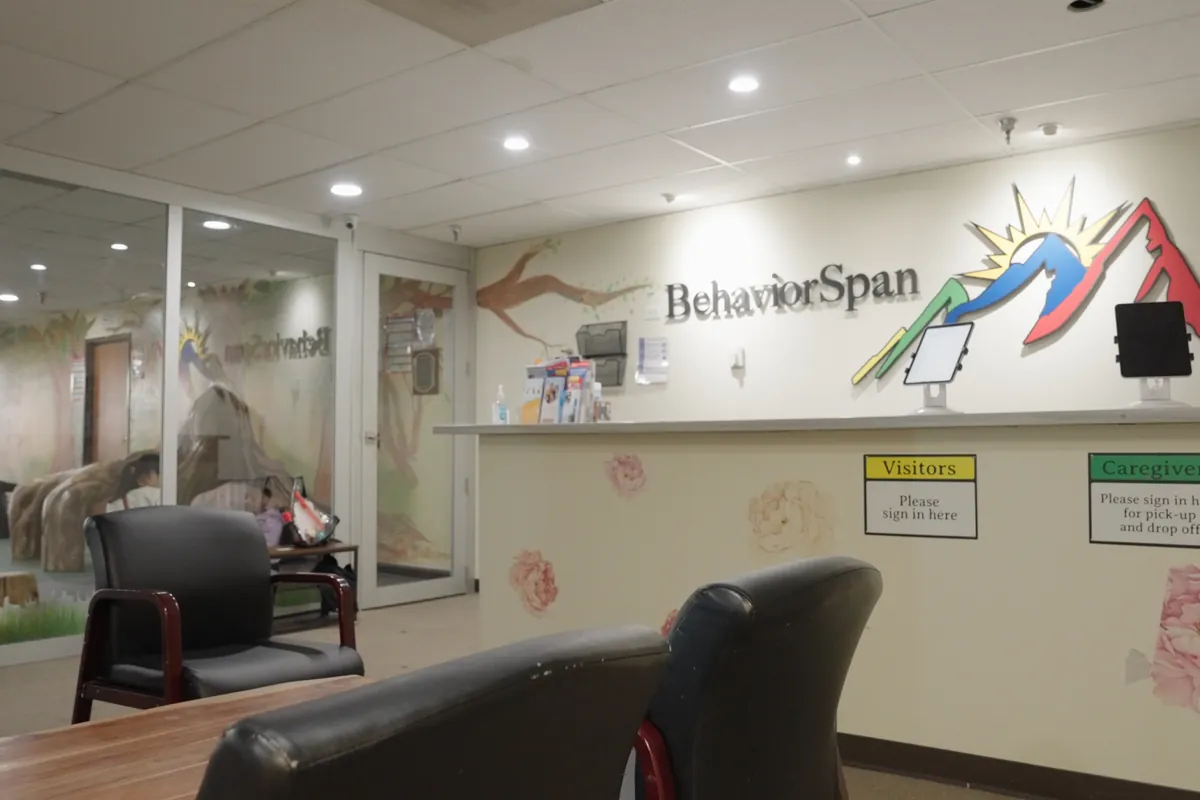
Both models can work, but they serve different needs. Center-based therapy, like the programs offered at BehaviorSpan’s Denver and Aurora locations, gives children a consistent, structured environment and regular peer interaction, which can be especially valuable for building social skills. Home-based therapy offers convenience but can sometimes mean fewer opportunities for structured social learning. Think about what your child needs most right now.
6. Insurance Coverage and Cost
ABA is considered an essential health benefit and is typically covered by Medicaid and most private insurance plans, often with little to no out-of-pocket cost for families depending on your specific policy. BehaviorSpan, for example, accepts Medicaid, which covers ABA at no cost to families, in addition to a range of private insurance plans. Ask any provider you’re considering to walk you through what your plan actually covers before you commit.
7. Parent Involvement and Communication
Parent involvement is consistently one of the strongest predictors of a child’s success in ABA. Ask how the provider keeps you informed, how often you’ll meet with the clinical team, and how they’ll coach you to reinforce skills at home. If your child is only successful inside the therapy room, that’s a sign something’s missing.
For general background on developmental milestones and early intervention, the CDC’s “Learn the Signs. Act Early.” program is a helpful, non-commercial resource many parents find useful when making this decision.
8. How the Provider Handles Transitions and Discharge Planning
A good ABA provider isn’t just focused on getting your child started. Ask how they define readiness for graduation, and what the transition out of intensive services looks like when your child meets their goals. Providers with a clear, structured discharge plan tend to be the ones with a clear plan for everything else too. Vague answers here often mirror vague answers about progress in general.
How to Compare Providers Side by Side
Once you’ve talked to a few providers, it helps to compare them using the same criteria rather than relying on a general impression. This is really the core of how to choose an ABA provider: comparing the same specific data points side by side instead of going with a general impression. Consider building a simple checklist that covers:
- BCBA supervision and how often your child’s plan is reviewed
- Average time to graduation and how that’s tracked
- Weekly hours offered and how closely they match your child’s needs
- Setting (center-based, home-based, or a hybrid) and how that fits your family’s routine
- Insurance acceptance and expected out-of-pocket costs
- How parent training and communication are built into the program
Writing this down for each provider you visit makes it much easier to spot real differences instead of relying on which office felt friendliest during a tour.
Red Flags to Watch For
Part of knowing how to choose an ABA provider is recognizing the warning signs early, before you’ve committed.
- Reluctance to share outcome data or answer specific questions
- No clear BCBA supervision structure
- High staff turnover or inconsistent scheduling
- Vague answers about how often your child’s plan is reviewed and updated
- Pressure to sign a long-term commitment before you’ve met the team
Getting Started
Knowing how to choose an ABA provider comes down to asking tough questions, verifying credentials, and looking for a team that treats outcomes, not just attendance, as the measure of success.
If you’re in the Denver or Aurora area, BehaviorSpan is ready to help! Our team specializes in intensive, individualized ABA therapy for children ages 1 to 7, backed by real outcomes and a track record families trust. Reach out through our Find Care page or call (720) 206-9644 to start the conversation. The sooner your child starts with the right provider, the sooner they start making progress!