
What Is ABA Therapy?
Applied Behavior Analysis (ABA) therapy is a scientific approach to understanding how behavior works and how learning takes place. It uses proven principles of learning and behavior to teach new skills and reduce behaviors that may interfere with learning or daily life. At its core, applied behavior analysis therapy focuses on three main questions:- What behavior is occurring?
- What happens before the behavior?
- What happens after the behavior?
How Applied Behavior Analysis Therapy Works
Every child learns differently, so ABA therapy programs are highly individualized. A trained therapist observes a child’s current skills and creates a personalized learning plan. Common goals of applied behavior analysis therapy include:- Improving communication and language skills
- Building social interaction abilities
- Increasing independence with daily activities
- Developing attention and focus
- Reducing behaviors that interfere with learning
Why ABA Therapy Is Commonly Used for Autism
ABA therapy is one of the most widely used autism therapy approaches because it focuses on practical skills that help children succeed at home, school, and in social environments. Some of the key skills children may learn include:Communication Skills
Children learn how to request items, express needs, and develop language skills.Social Skills
ABA helps children practice interactions like sharing, taking turns, and responding to others.Daily Living Skills
Therapists may teach tasks such as dressing, brushing teeth, or following routines.Emotional Regulation
Children learn strategies for coping with frustration, transitions, and sensory challenges. Because ABA is structured and measurable, therapists can track progress and adjust programs as children grow.Early Intervention: Why Starting Therapy Early Matters
Research consistently shows that early intervention can significantly improve outcomes for children with autism. Young children’s brains are rapidly developing, making early childhood an ideal time to build communication, learning, and social skills. Programs focused on early intervention can help children:- Improve developmental milestones
- Strengthen language skills
- Build independence
- Prepare for school environments
What Does a Typical ABA Therapy Session Look Like?
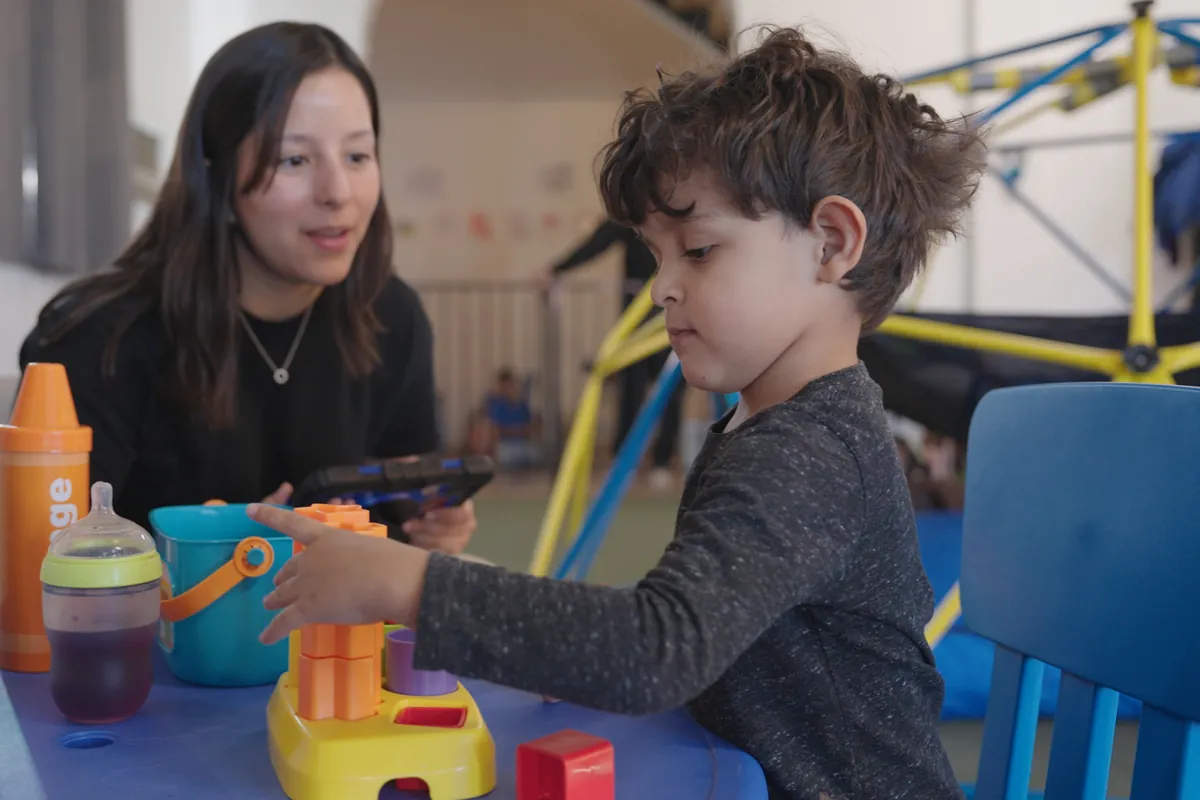
Many parents are surprised to learn that ABA therapy is often play-based and engaging for children. A typical session may include activities such as:- Interactive play
- Learning games
- Communication exercises
- Social skill practice
- Structured learning tasks
- A child may receive praise after successfully requesting a toy.
- A sticker or token might reinforce completing a learning task.
- Playtime may follow a successful skill practice.
Center-Based ABA Therapy in Denver, CO
ABA therapy can take place in several environments, including homes, schools, and therapy centers. Center-based programs provide structured environments where children can practice skills with therapists and peers. These settings often include specialized learning spaces designed for early childhood development. BehaviorSpan operates center-based ABA therapy locations in Denver and Aurora, providing safe, engaging environments where children can learn and grow and adapt to routines, structure, and expectations similar to those they will experience in a school setting. If you’re exploring services locally, you can learn more about ABA therapy in Denver, Colorado and how structured learning environments support skill development.How Long Does ABA Therapy Last?
The duration of ABA therapy varies depending on the child’s needs and developmental goals. Some children receive therapy for several hours per week, while others may participate in more intensive programs. Factors that influence therapy duration include:- Age of the child
- Developmental goals
- Communication skills
- Social development needs
Is ABA Therapy Evidence-Based?
Yes. Applied behavior analysis therapy is widely recognized as one of the most researched behavioral interventions for autism. Organizations such as the Centers for Disease Control and Prevention (CDC) recognize ABA as a behavioral treatment that can improve communication, learning, and social skills. Additionally, organizations like Autism Speaks provide educational information about how ABA therapy works and what parents can expect.How to Find ABA Therapy in Denver, CO
If you live in Denver or the surrounding Colorado communities, there are several steps to begin the process:- Obtain a referral, developmental evaluation, or an autism diagnosis from a pediatric specialist.
- Contact local ABA providers.
- Verify insurance coverage.
- Schedule an intake assessment.