
If you’re here, there’s a good chance you’ve already tried a few things, read a few articles, and maybe wondered why nothing seems to stick. First, take a breath. You’re not doing anything wrong. Potty training autistic child routines rarely follow the neat timeline you see in parenting books, and that’s completely okay.
Maybe your little one covers their ears when the toilet flushes. Maybe they love their diapers and want nothing to do with underwear. Or maybe they just don’t seem to notice when they’re wet. None of that means your child can’t learn. It simply means they need an approach that fits who they are.
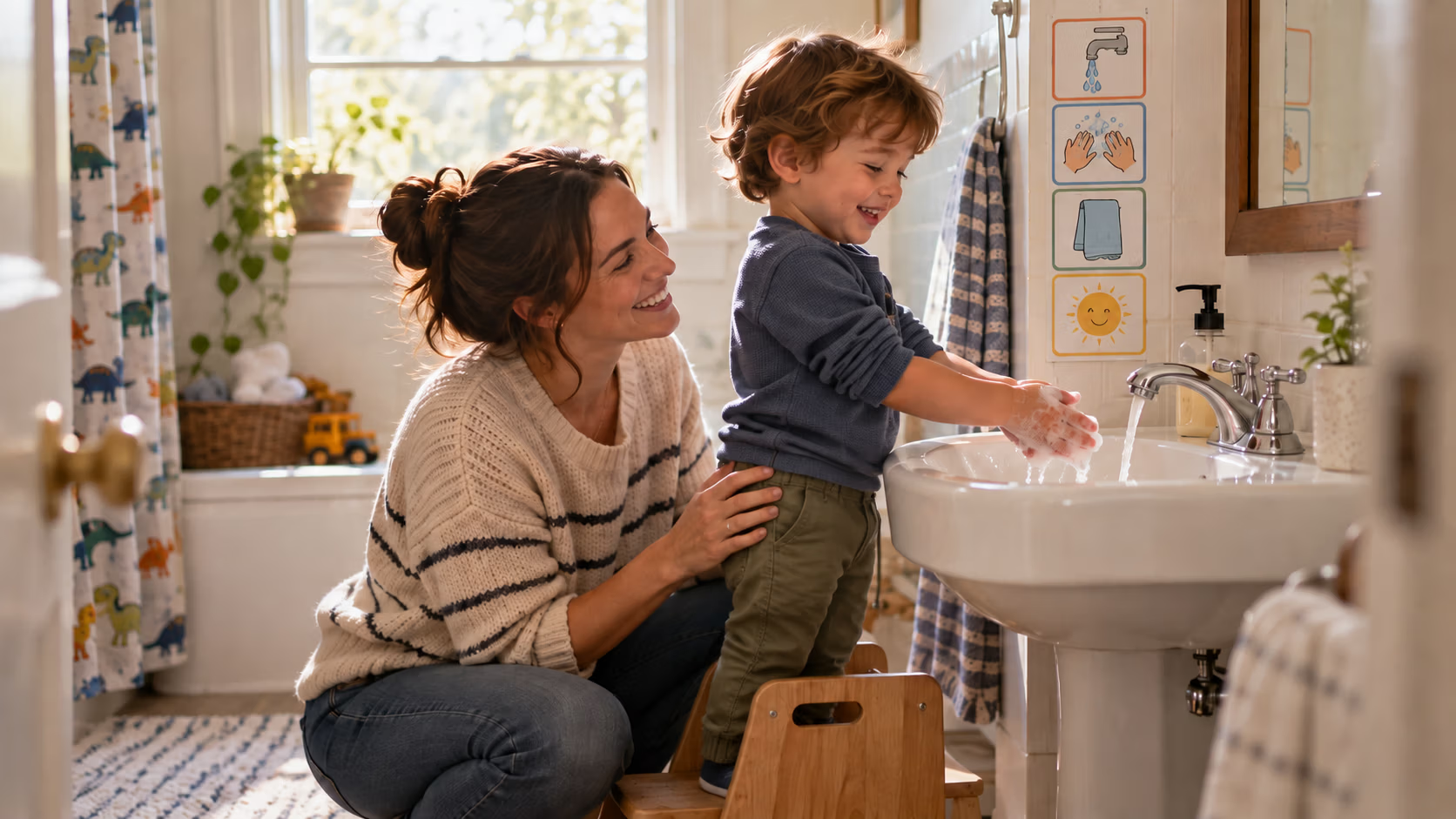
Here at BehaviorSpan, helping kids with potty training is one of our favorite ways to support families across Denver, Aurora, and the surrounding Colorado communities, with an approach that meets each child where they are. The moment a child proudly washes their hands after a successful trip is a big one, for them and for you. In this guide to potty training autistic child skills, we’ll walk through why it can feel harder, how to know when your child is ready, and eight gentle strategies you can start using at home this week.
And if you’d love some support along the way, we’re always happy to talk. Reach out to BehaviorSpan anytime. We’re a great first call for families who aren’t sure where to start, and we’ll help you sort through everything, from goals to insurance.
Understanding Potty Training Autistic Child Challenges
Most potty training advice assumes a child who wants to be like the big kids, can tell you when they need to go, and lights up with praise. Many autistic children experience things a little differently, and understanding why can take a lot of pressure off. Here are a few of the most common reasons:
- Saying “I need to go” is hard. If your child is still building their communication skills, they may not have a way to tell you yet. Our post on how ABA therapy helps children with communication delays shares how those skills grow over time.
- The bathroom can feel like a lot. Cold seats, echoey rooms, loud flushes, and the feeling of wet clothes can be overwhelming for some kids, and barely noticeable for others.
- Routines feel safe. Diapers are familiar and comfortable. Changing something your child has known their whole life can understandably bring big feelings.
- Body signals can be quiet. Some kids have a harder time noticing that their bladder is full until it’s too late.
- Tummy troubles are common. Constipation happens often in children with autism and is one of the most frequent reasons potty training autistic child efforts stall. If going seems uncomfortable or irregular, check in with your pediatrician before you begin.
Once you know which of these feels most true for your child, building a plan gets so much easier.
How to Tell If Your Child Is Ready
Many children start showing readiness somewhere between 18 and 30 months, but for autistic kids, age is only a small piece of the picture. It’s more helpful to look at what your child can already do. Your child may be ready if they:
- Stay dry for an hour or two at a time
- Tend to bowel movement around the same times each day
- Can sit on a chair or toilet for a minute or two
- Can follow simple one-step directions
- Can help push their pants down and pull them back up
- Show any sign that they notice being wet or messy
Your child doesn’t need to check every box. If a few of these sound familiar, you can start. If not, that’s okay too. You can begin with small, cozy steps like getting comfortable in the bathroom or practicing sitting for a few seconds. The best plans for potty training an autistic child starts with your child’s skills, not their birthday. If you’d like a clearer picture, an ABA therapy assessment can show which building blocks to focus on first, and the American Academy of Pediatrics has kind, practical advice on toilet training children with special needs.
8 Gentle Strategies for Success in Potty Training Autistic Child
1. Get to Know Your Child’s Rhythm
For a week or two, check your child’s diaper every 30 minutes or so and jot down whether it’s wet, dry, or messy, along with meals and drinks. You’ll likely start to see patterns, like a bowel movement about 20 minutes after breakfast. Those little notes become your roadmap for when to try the toilet. Getting to know your child’s natural rhythm is the starting point for every potty training plan we create at BehaviorSpan.
2. Make Bathroom Trips Part of the Day
Instead of waiting for your child to ask, build bathroom visits into your routine, often every 30 to 60 minutes at first, plus after meals and after waking up. This takes the pressure off your child to figure out the feeling and find the words right away. As they stay dry longer, you can slowly stretch the time between trips. For many families, this one change makes potty training autistic child routines feel so much more manageable.
3. Show Each Step With Pictures
A simple picture schedule breaks potty time into small, predictable steps: pants down, sit, pee, wipe, pants up, flush, wash hands. Hang it at your child’s eye level so they can see what’s coming next. Knowing what to expect helps many kids feel calm and confident. The Autism Speaks ATN/AIR-P Toilet Training Guide includes a free sample picture schedule and plan you can make your own. Pictures like these are one of the simplest, most reassuring tools in potty training autistic child routines.
4. Pick a Special “Potty Prize”
Choose something your child absolutely loves, like a favorite snack, sticker, or song, and save it just for potty success. Give it right away, within a few seconds, so your child connects the dots. Your cheers and hugs matter so much, and for many kids, a special prize is what makes potty training autistic child goals really click in those early weeks.
5. Say Goodbye to Diapers When You’re Ready
Pull-ups feel a lot like diapers, which can make it tricky for kids to notice when they’re wet. When you’re ready to dive in, many ABA providers suggest switching to regular underwear during the day. Letting your child help pick out a favorite pair can make it exciting. Yes, there will be more accidents at first. That’s normal, and it’s often right around here that potty training autistic child progress starts to pick up speed.
6. Meet Accidents With Calm and Kindness
Accidents are simply part of learning, for every child. Big reactions, even well-meaning ones, can make kids anxious or turn accidents into a source of extra attention. Instead, keep your voice calm and friendly, say something like “pee goes in the potty,” let your child help clean up as much as they can, and move on with your day. Staying calm isn’t always easy, but it’s one of the most loving parts of potty training autistic child routines.
7. Make the Bathroom Feel Cozy
If the bathroom itself feels scary or uncomfortable, start there. A padded seat, a little stool for their feet, softer lighting, or waiting to flush until your child has left the room can all help. Short, happy visits build comfort over time. Our list of sensory activities for kids with autism has more ideas for helping your child feel calm and settled. An occupational therapist can be a wonderful help here too. At BehaviorSpan, we can connect families with OT and speech therapy for co-treatment right in our centers, so your child’s whole team is cheering them on toward the same goals.
8. Give Your Child a Way to Ask
The big goal is for your child to be able to tell someone when they need to go. That might be a word, a sign, a picture card, or a talking device. Whatever works for your child is the right answer. In ABA, we call this kind of request a “mand,” and teaching it is a heartfelt part of any potty training autistic child program.
Keep Things the Same Everywhere
Kids learn best when the same steps, words, and rewards happen at home, at school, at Grandma’s, and in therapy. Share your plan and picture schedule with everyone who cares for your child so you’re all on the same team. Our post on why consistency is important in ABA explains why this matters so much. Consistency is what turns potty training autistic child progress into a habit that lasts.
Every family hits a few bumps along the way. If things slip during a cold, a vacation, or a busy season, please don’t worry. Just go back a step or two and rebuild. Skills usually come back faster the second time around.
How ABA Therapy Can Help
You don’t have to figure out potty training autistic child challenges alone. In ABA therapy, potty skills are broken into small, doable steps and practiced with lots of encouragement. A Board Certified Behavior Analyst (BCBA) creates a plan just for your child, our Registered Behavior Technicians practice it with them throughout the day, and the team keeps an eye on progress so the plan can grow with your child. Because our center-based programs offer plenty of time together, kids get lots of gentle practice. We also coach parents along the way, so the wins carry over at home. You can read more about why ABA works here, or explore the Vanderbilt Kennedy Center’s overview of research-based toilet training strategies for more tips.
So many BehaviorSpan families tell us that potty success is one of the first big celebrations they share with us. If you’d like support with potty training autistic child skills alongside communication, social, and everyday living goals, our Denver ABA therapy center and Aurora ABA therapy center welcome children ages 1 to 7.
Questions Parents Often Ask
What age should I start potty training my autistic child?
There’s no perfect age. It’s more helpful to watch for signs like staying dry for an hour or more and being able to sit on the toilet for a moment. Many children begin somewhere between ages 2 and 4, and plenty start later. Both are completely normal, and a potty training autistic child plan can begin whenever those early signs show up.
How long does potty training take for a child with autism?
Every child is different. Some kids get the hang of peeing in the toilet during the day in a few weeks, while others need a few months. Pooping in the toilet and staying dry at night often come a little later. Gentle, steady practice matters much more than speed.
Can ABA therapy help with potty training autistic child challenges?
Absolutely. Potty training is one of the most common goals in ABA programs for young children. A BCBA can help figure out what’s getting in the way, whether it’s communication, sensory needs, or motivation, and build a plan that works for your family.
Where can I find potty training help for my autistic child in Colorado?
If you’re in the Denver or Aurora area, BehaviorSpan can help. Our center-based ABA programs include toileting as part of each child’s personalized plan, and many Colorado insurance plans cover ABA therapy, including Health First Colorado once services are approved. Learn more in our guide to getting ABA therapy covered by insurance in Colorado.
Every Small Step Counts
There’s no single timeline for potty training autistic child skills, and every child gets there in their own way. Celebrate the little moments, like sitting calmly for a few seconds or washing hands all by themselves. Those are real wins, and so is your patience.
Whenever you’re ready, we’d love to hear from you. Contact BehaviorSpan today. We currently have no waitlist at our Denver and Aurora centers, and our friendly team will walk you through every next step, including checking your insurance coverage!